
Just as video switchers control what goes onto your screens and audio consoles are the central hubs for all things related to sound, lighting consoles are the control center for stage and room lighting.
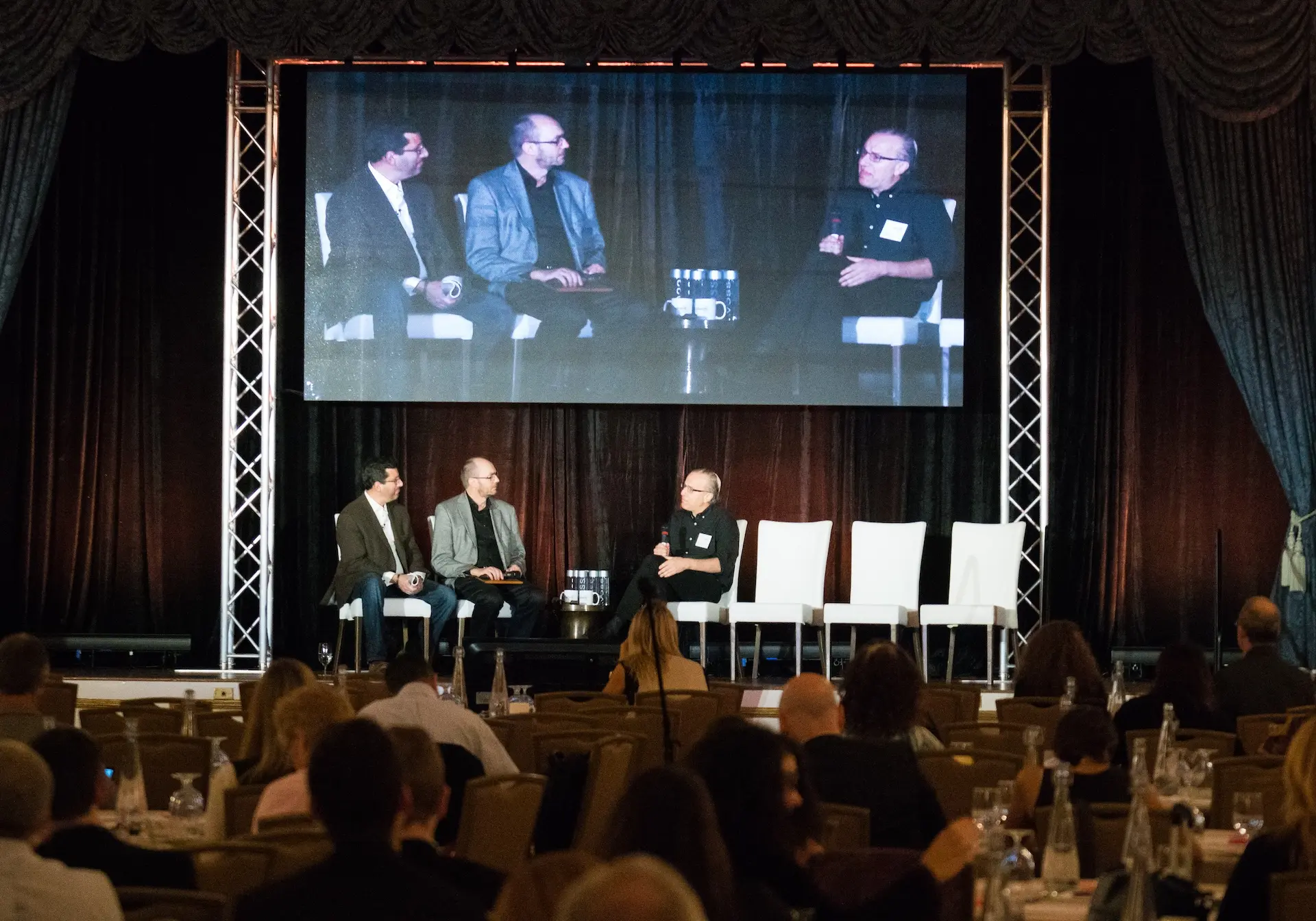
It sounds simple, right? Stage lights go up so that presenters can be seen, then get dimmed for video or other content, and at the end of the session, the whole room brightens so people can easily make their way out of the event space.
In reality, it’s much more complicated than that.
For large events, stage and room lighting can be made up of hundreds of lights. Some lights, like atmospheric uplighting, may stay relatively fixed throughout a session or the entire event, but others have a much wider variety of cues, settings, and uses.
All of the looks created by these lights are managed by one very important piece of equipment: the lighting console. Which makes having a good lighting console (and a trusted operator to run it) the key to making sure that all the lights work perfectly and that the intentionally created design is executed exactly as it was pictured.
Want to learn more? Keep reading.
Who Operates the Lighting Console?
Depending on the size and structure of the crew, as well as how complex and large the event is, the lighting console can be managed by either a Lighting Director (LD), Lighting Console Programmer / Operator, or a Lighting Technician. They may also be referred to as the Light Board Op.
Regardless of their title (although, for the sake of simplicity in this blog, we’ll call them the LD), they sit at the front of house table and are usually in charge of programming the lighting cues and executing them during the event.
It’s a big responsibility with little room for error. The LD manages the entire visual atmosphere, makes sure presenters and content are seen, and plays an important role in the overall creative vision coming to life. Oftentimes, that creative vision is one they helped to create as well.
Because of this, they regularly work closely with other people on the show, like those in charge of the creative vision of the event or the content team to make sure the lighting enhances the overall experience for the attendees.
How it Works.
Essentially, the lighting console sends out commands to each of the lights being used for the event to tell them what to do and when to do it. During the event set up, the LD will perform “patching”. Patching tells the console which fixture or group of fixtures are assigned to each channel.
The LD then uses these channels to create every single lighting look they need for the event. This includes walk-in and walk-out looks, walk-up looks for presenters, standard presentation looks, standard content playback looks, different looks for each day or session of the event if there is a different color scheme or aesthetic vibe, and speciality looks, like ones for audience Q&A where specific house lights or spotlights will need to be used, panelist lighting where multiple presenters are being featured at once, and more.
The LD can also create and program lighting design to amplify different sections of the event. If there is a bold opening video to hype up attendees, they can create a synchronized lighting design that brings the content to life. If there is entertainment or a music performance, they can create lighting looks that compliment it. For emotional presentations or live storytelling, dramatic lighting can be employed.
Moving lights can also be manually controlled using joysticks, which primarily come in handy for spotlights or other fixtures that need to track specific people or movements.
Types of Consoles.
There are two types of consoles typically used for live events, and which type is utilized for a specific event really depends on the complexity of the lighting design more than anything else.
Conventional consoles, also referred to as fader-based consoles are often used for simple lighting designs and needs. Meanwhile, digital consoles, also known as automated consoles, are used for complex, layered shows with moving lights, LEDs, and a variety of cues and looks that need to be programmed ahead of time and created on the fly.
There are several different brands of lighting consoles, but GrandMA 2&3, ChamSys, ETC, and High-End Systems are most commonly used, as they’re known for being reliable, versatile, and having great networking capabilities.
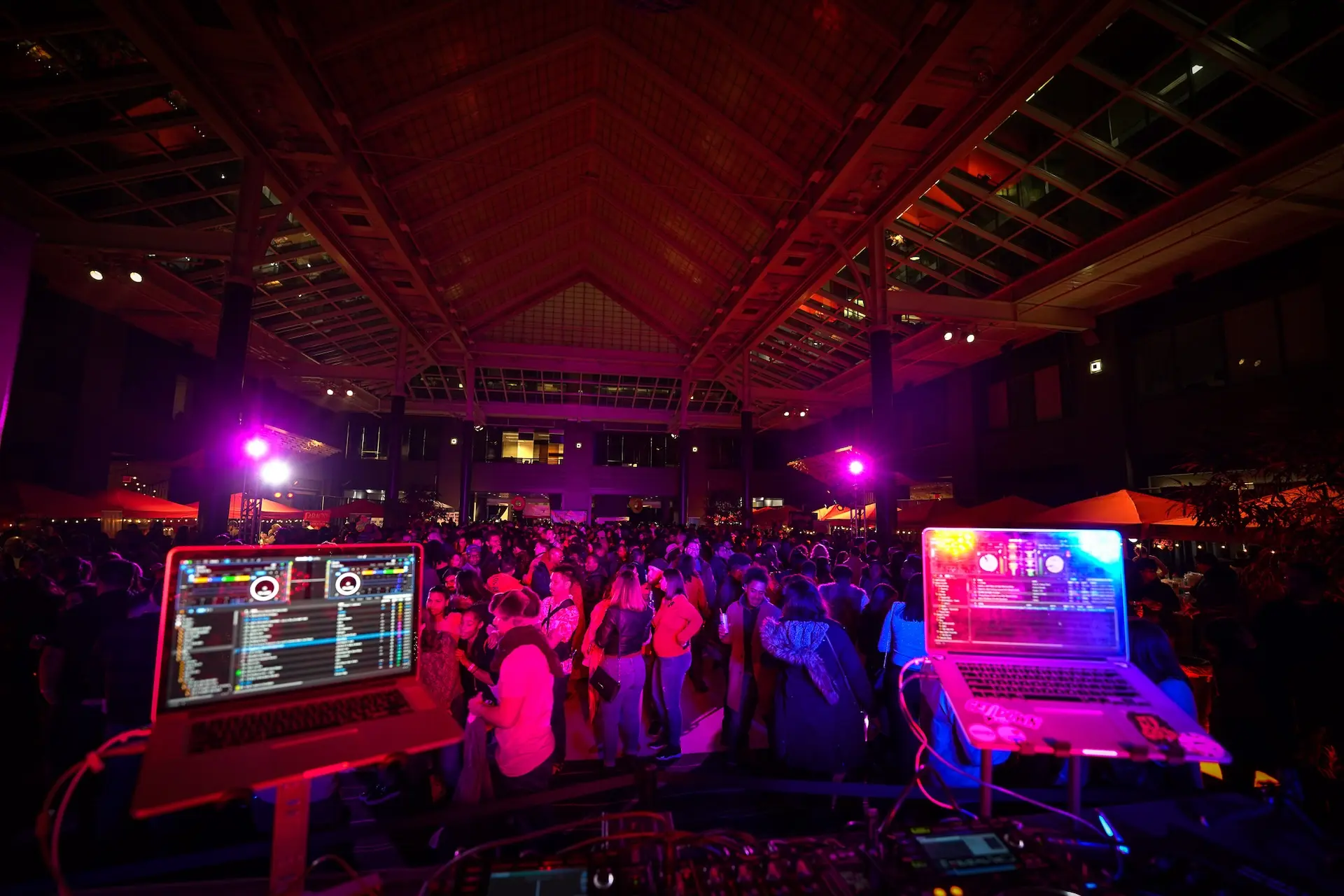
Great event lighting starts with the right lighting set up and types of fixtures, but a good console and experienced designer and operator are just as important as they determine how the lights are used.