

Apologies in advance for the bait and switch, but there will be no definitive rankings here. But we promise, it’s with good reason.
There’s no shortage of types of event entertainment, and everyone you ask will probably have an opinion on what the best kind is, what they think engages audiences the most, or what provides the best experience. But the truth is, just like when we talk about the best stage set up or the perfect length for the event, the right answer depends heavily on the goals and needs of your event.
So instead of skimming ahead to see a bulleted ranking, read on to learn how to figure out what type of entertainment will best serve your event and the needs of your audience.
Types of Event Entertainment.
In no particular order (really, it’s not a ranking!) here are some of the most popular and common types of live event entertainment:
- Musical performances
- Cirque performers
- Comedians
- Mentalists
- Professional emcees / hosts
- Celebrity impersonators
- Magicians
- Dance groups
- Roaming entertainment
Figure Out What You’re Looking For.
Is your event a celebratory evening with little to no messaging, where you just want attendees to have a great time? Is the goal of your event to facilitate casual conversations? Is it primarily a social gathering with another background activity (like a silent auction, raffle, etc.?)
Or are you hosting a general session with the goal of inspiring your attendees? Is it a long gala or awards evening where keeping people entertained and engaged throughout the session can be a challenge?
Perhaps you have a trade show booth that wants to draw people in by grabbing their attention as they walk by.
Including entertainment in your event is great – but in order to get the most bang for your buck, the question isn’t what type of entertainment is the best. It’s what kind of entertainment will fulfill the needs of your event and help you reach your goals.
Entertainment That Involves the Crowd.
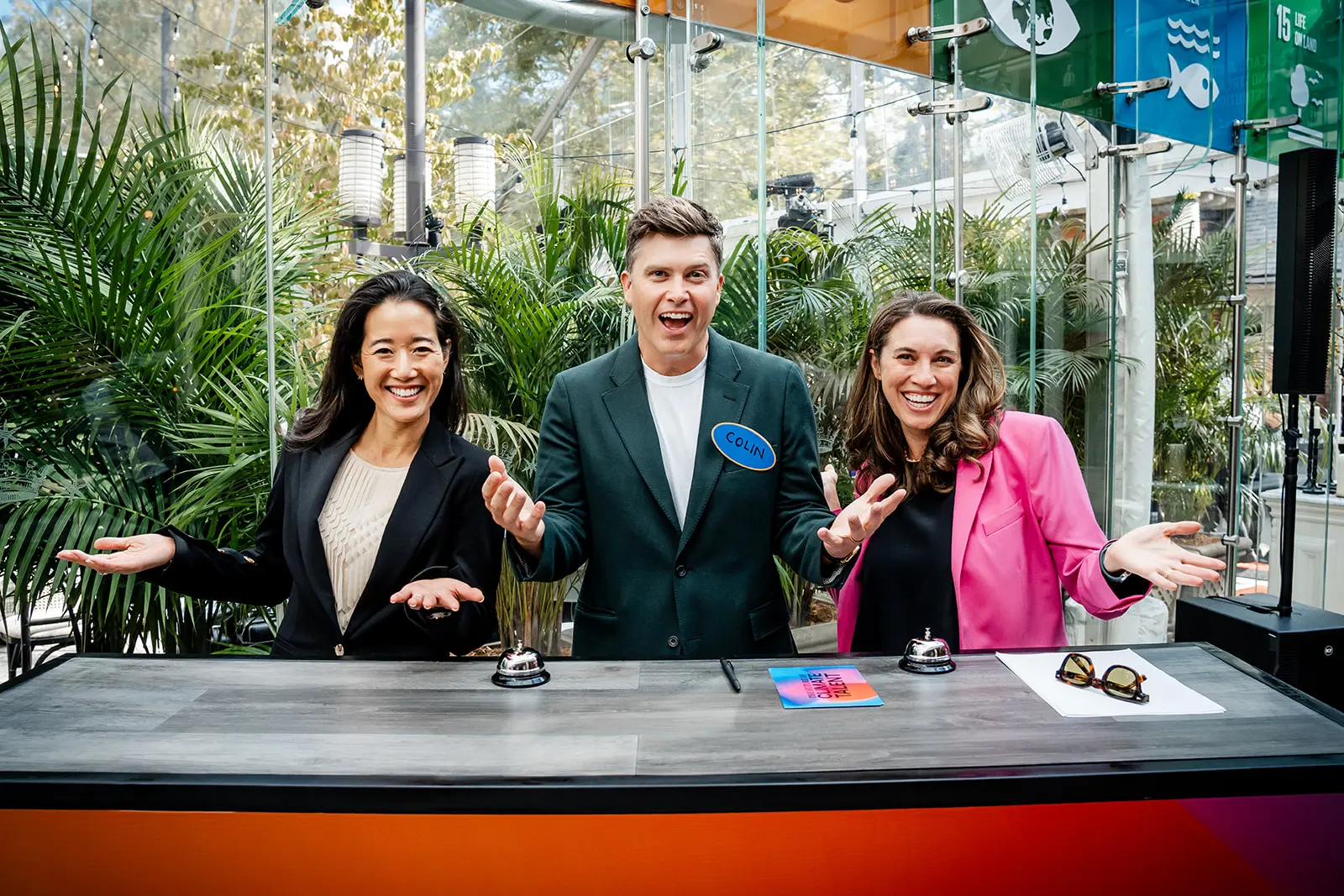
For many events, especially long ones where you want the audience to enjoy themselves, interact with other people they’re seated near, and stay engaged (and present!) for the entire event, the key is utilizing entertainment that involves the crowd.
Instead of hiring somebody to perform at the crowd, prioritize entertainers who bring the crowd into the act.
Mentalists that use audience members to perform their tricks, comedians that talk to and interact with the crowd, or even a live event emcee that moves through the audience having brief, candid conversations with attendees, keeps people engaged, focused, and alert.
They no longer feel like they’re passively watching a long event – they’re an active participant in it. Besides, who wants to be caught (and called out) by a comedian for looking at their phone?
Use Entertainment to Break Up the Event.
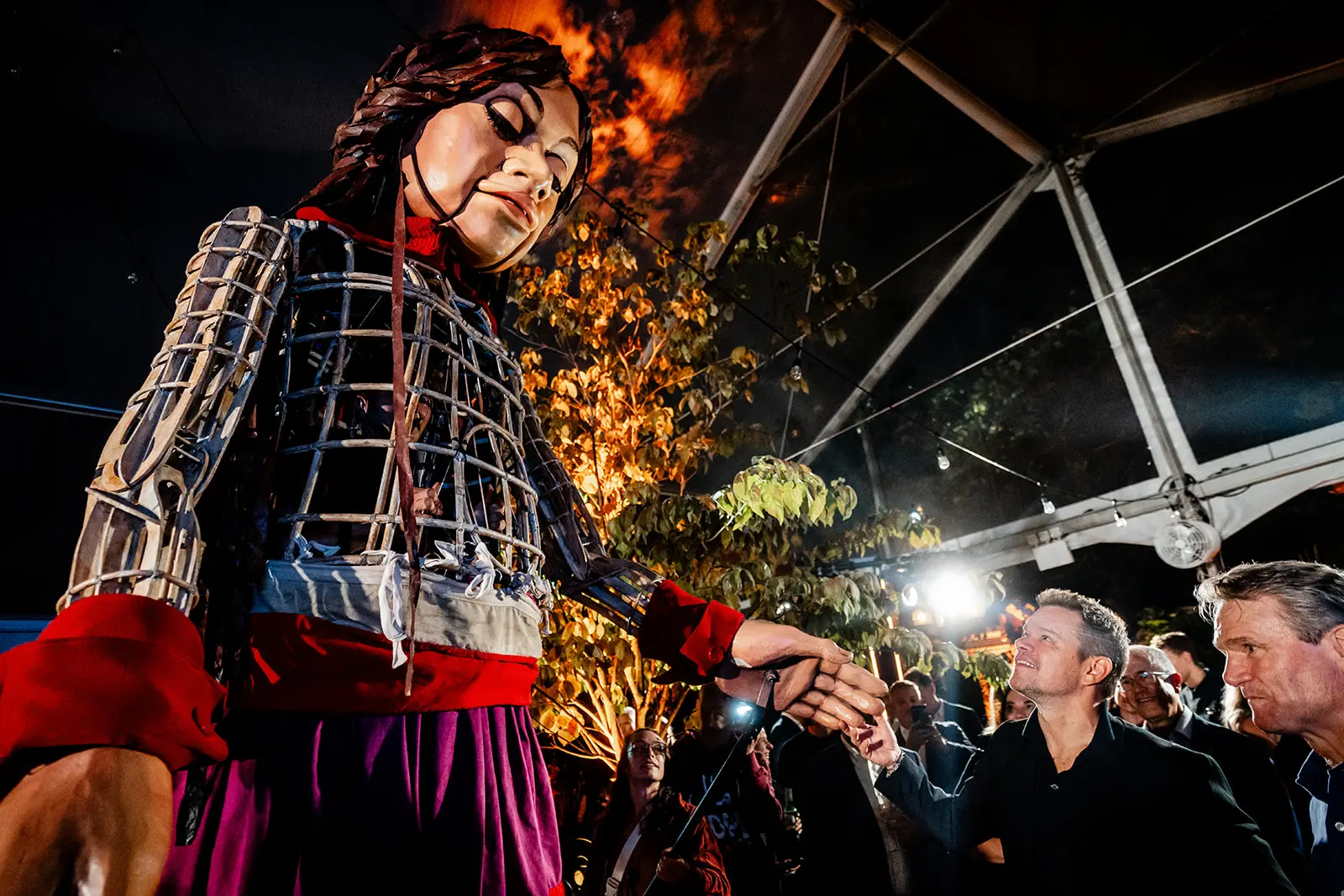
Many people think of event entertainment as being solely at the beginning of the event or at the end of the event. But many types of entertainers provide the most value when being used throughout an event. This is especially true of long sessions where attendees may start to lose attention as the evening progresses.
Consider having several “breaks” where entertainment can perform for 5-10 minutes. This will give attendees a chance to regain their focus and be entertained before diving back into the programming. If there is a natural space for a longer break (like a meal being served) a lengthier musical or comedic performance is a great addition to the evening.
Think about the evening from the audience’s perspective. You’re sitting in a long awards gala (and you’re fairly certain you’re not walking away with any prizes.) It’s been at least an hour and you know that the night is far from over. You can feel your focus start to drift when a comedian comes through the crowd, speaking with different people, which is shared on IMAG. It gives you ten minutes to turn your brain off from the event and just enjoy some humor.
When the regular programming starts up again, you’re refreshed and still smiling from the last joke.
A 40-minute set at the beginning or end of an event may seem like a great way to incorporate entertainment, but finding ways to introduce the act throughout the show can go much further when engaging your audience.
Passive Entertainment.
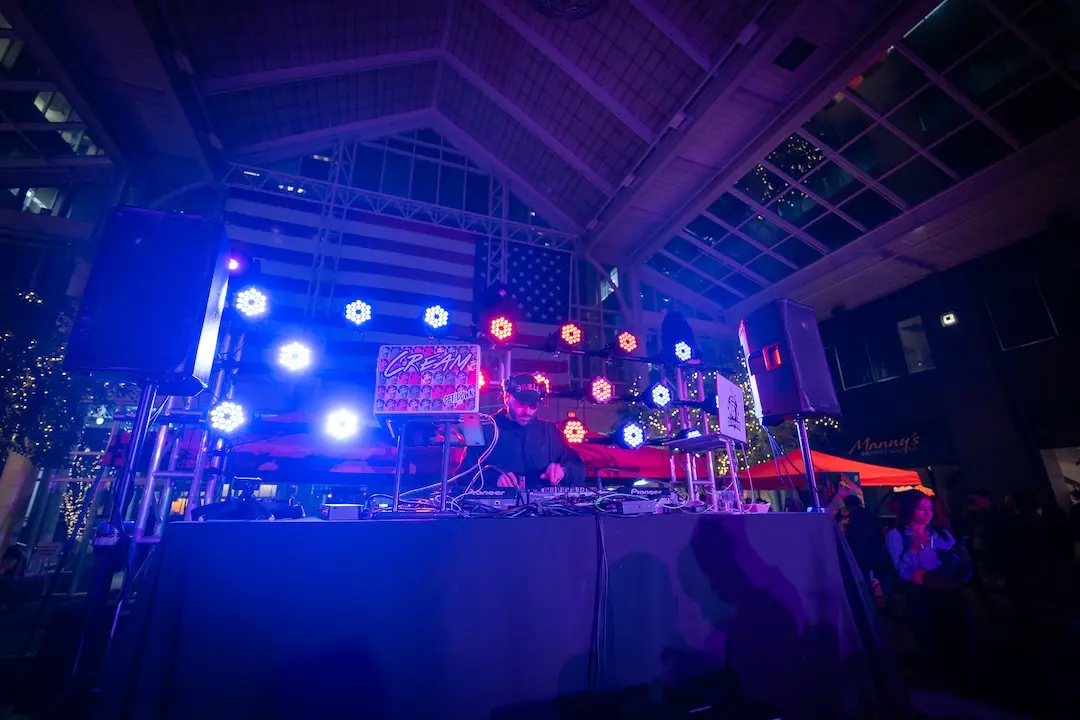
Many multi-day events and conferences have evening activities that aren’t particularly messaging heavy, don’t involve handing out awards, and are, first and foremost, meant to give the attendees a great experience.
Events like these are where we see musicians and bands being especially successful choices. While a leader of the company or a sponsor can come to the stage to make a few introductory comments, the focus is on the music, the atmosphere, and on giving the attendees a space to enjoy themselves with no pressure.
Still, even in sessions like these, it’s important to consider logistics and goals. Do you want your attendees to get up and dance? Are you hoping they’ll be able to have casual conversations without struggling to hear each other? Are there any other aspects to the event, like a meal being served, a silent auction, raffle, etc.?
Consider whether you want the performance to be the focal point or the background of the event.
All of this will affect what type of musical act makes the most sense for your occasion.
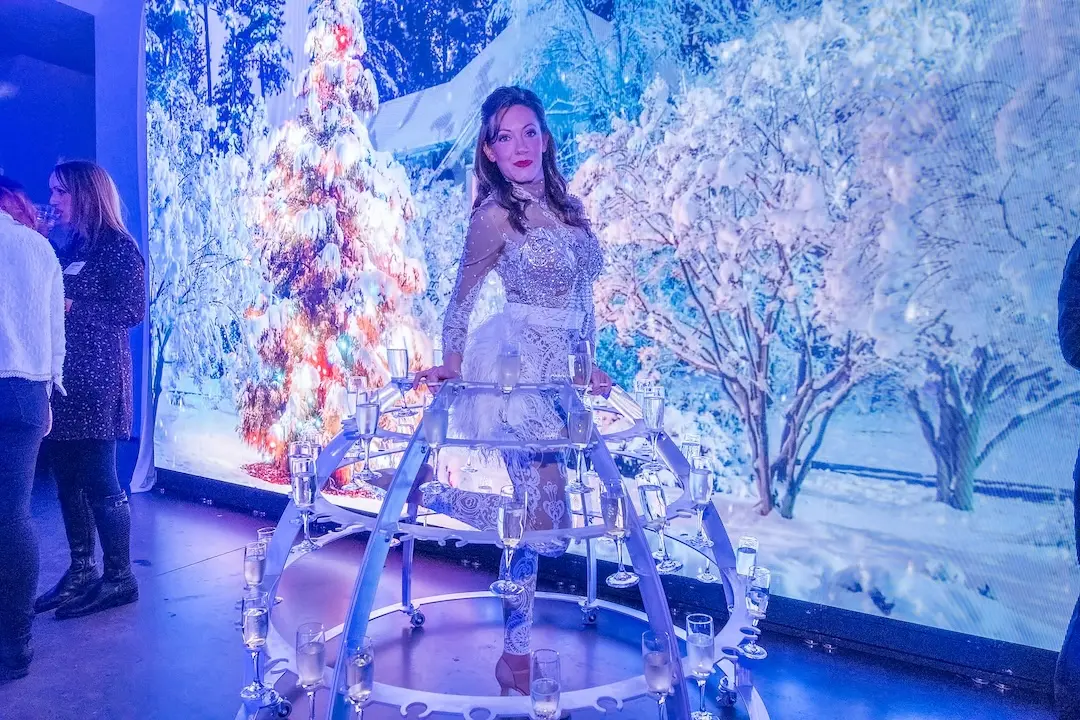
The fact of the matter is, there is no definitive ranking for event entertainment because the best kind of entertainment has so many factors. The demographic of your audience, the goals of the event, the length of the program, what is happening immediately before the session… the list goes on and on.
For our recommendations on what type of entertainment will best suit your audience and goals, contact us today!