



In the weeks leading up to a live event, and even once you arrive onsite, rehearsals become a large part of the planning conversation. From offline rehearsals in speaker ready rooms to tech-throughs and sound checks, here are all of the different types of rehearsals that take place during live events – and why each of them matters.
Tech Rehearsals
Many of the rehearsals that take place during an event don’t involve the presenters, the meeting planners, or even the planners from the organization hosting the event. Why? Because the purpose of these rehearsals is to make sure that every technical detail of the event is accounted for, all transitions are smooth, and the entire tech team is aligned.
Paper tech.
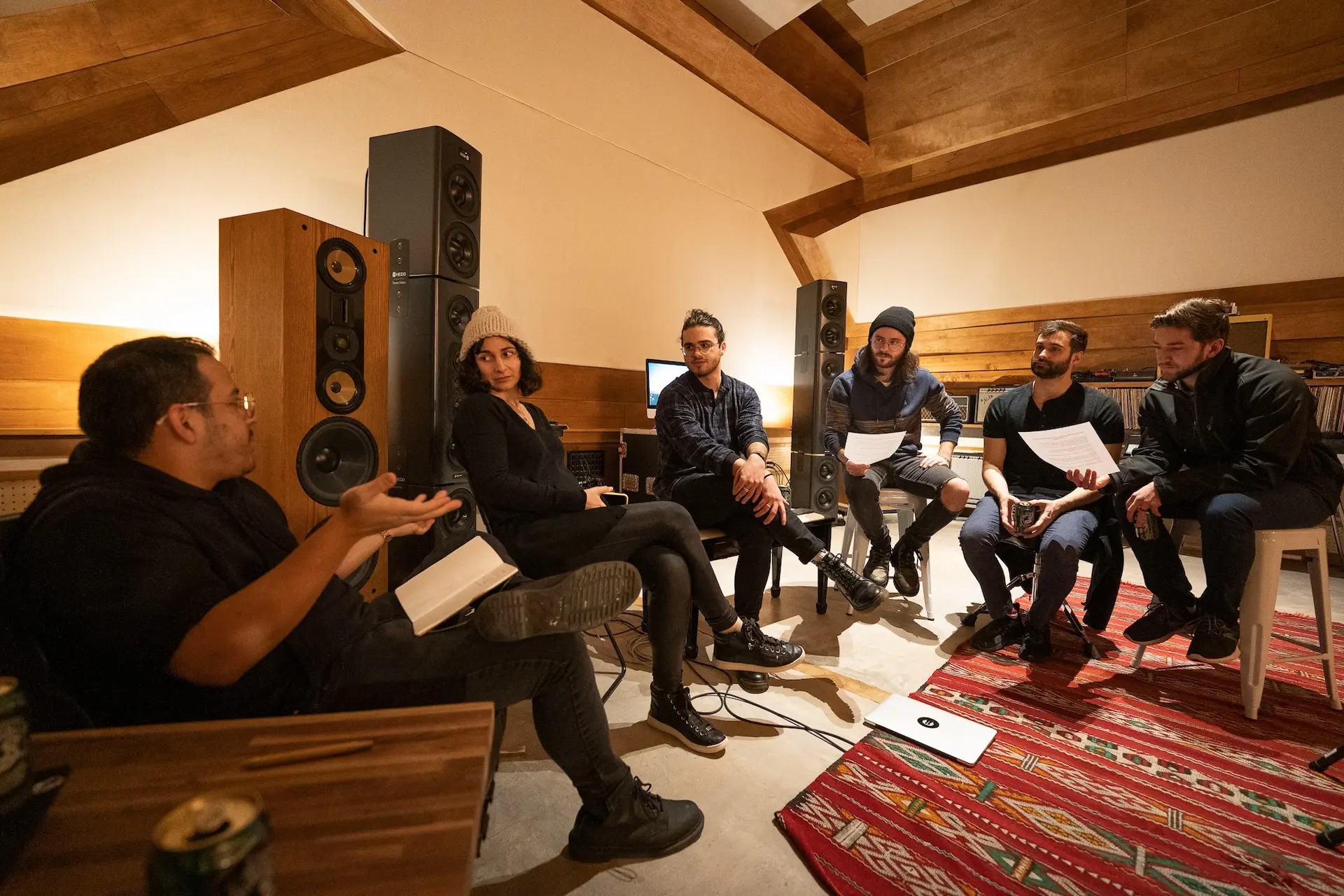

This meeting, which usually takes place prior to arriving onsite or in an offline graphics room, involves the event producer, show caller, content manager (if applicable), and sometimes members of the host organization’s meeting planning team.
During this meeting, the crew and crew leads will run through the full technical run of show to finalize any details, make sure everybody is on the same page about the different cues, and iron out any details that may not yet be in place.
If there is a content manager, it’s often beneficial for them to attend, just in case the need for any last-minute content creation, like a graphic or VOG, comes up.
Tech rehearsal / cue-to-cue.
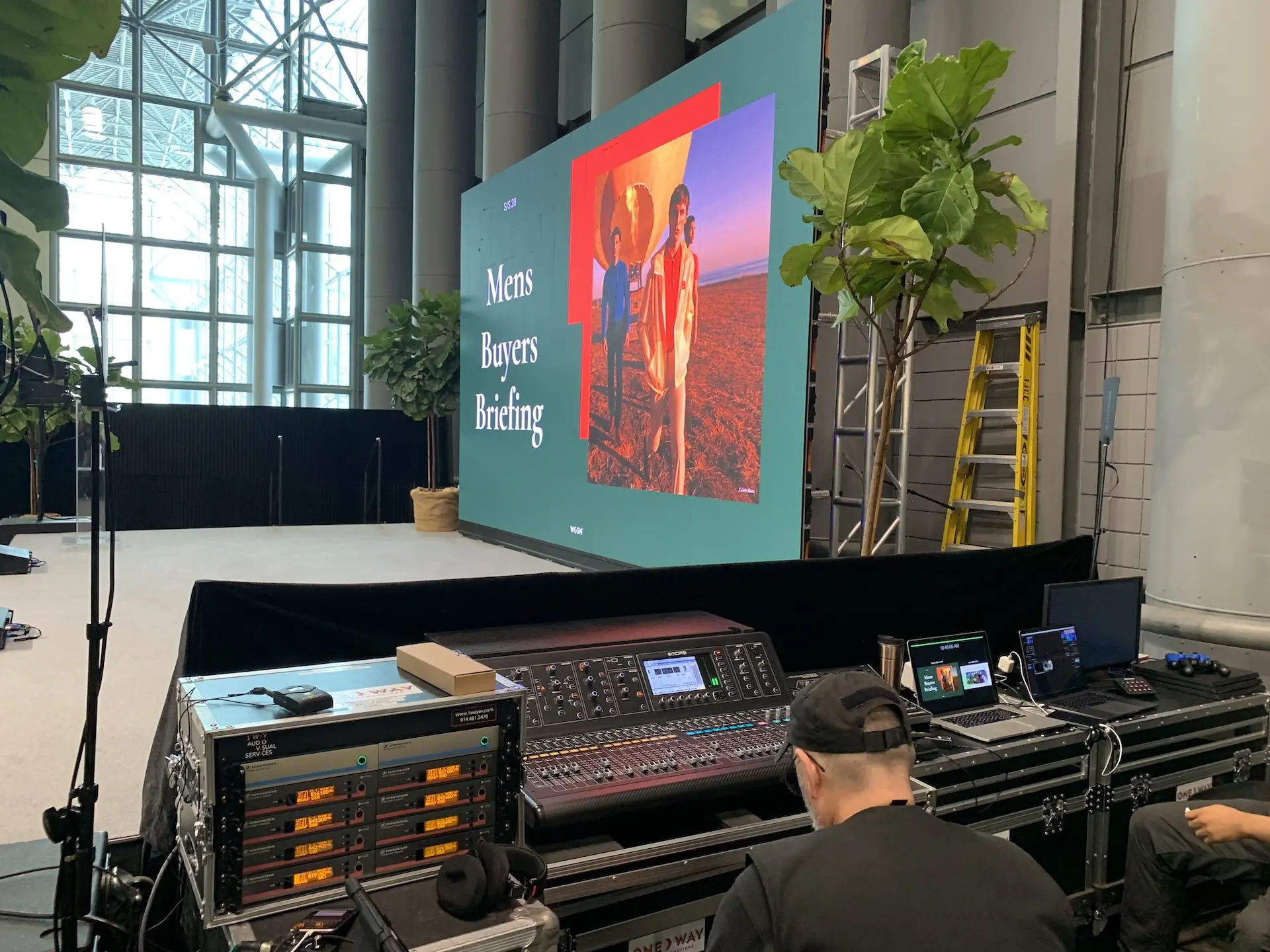
The tech rehearsals, also frequently referred to as a cue-to-cue, is solely for the production and AV team. The idea of these rehearsals isn’t to go through every single minute of the show, but to rehearse the technical aspects of every cue that will be called.
Whether it’s a change in lighting, an audio note, a visual cue, or video content that requires all three, these rehearsals for the technical team allow them to rehearse the moments of the event where they’ll be working together to create smooth, even transitions and make sure each element of the event is ready to go.
If there are any challenges, these cue-to-cue rehearsals are where they are solved, with transitions being rehearsed as many times as necessary to make sure the team is working as a well-oiled machine.
Doing these technical rehearsals separately from presenter rehearsals is incredibly important. First, it ensures that when a full rehearsal does happen, all of the technical details are already in place so that the crew shows up prepared and polished. It also maximizes the presenter’s rehearsal time.
If the CEO of a Fortune 100 organization is speaking during a sales meeting or a highly regarded keynote speaker is closing the show, it’s unlikely that they’ll give you a rehearsal slot that is the full length of their presentation, let alone longer than it. When you only have 20 minutes of their time, you want to make sure that every minute is focused on their presentation. Your team is looking to ask questions specific to their visuals or needs, if necessary, make minor adjustments to their notes or script if requested, get audio levels, and make sure the presenter is comfortable walking the stage, reading from a teleprompter or downstage monitor, and feels prepared.

Presenter Rehearsals
Taking place simultaneously to the tech rehearsals are any presenter rehearsals that take place before they’re onstage.
Script read-through.
Taking place in-person or even over the phone, this rehearsal takes place fairly early in the planning process, if it’s applicable for the event. We most often see these rehearsals for galas or awards evenings where an emcee or host is running the event and there is a very long script with a variety of cues.
In attendance at this rehearsal is the event producer / show caller, the content manager, the script writer, the organization’s event planning team, and the emcee, if they are available. This helps fine tune details for the script, make sure transitions are smooth, ask questions, and even do some initial script adjustments to make sure the emcee feels comfortable with the style of language used.
Offline rehearsals in speaker ready rooms.
Most organizations don’t book their venues in order to have several days between set up and the first day of sessions so that every presenter can rehearse on a fully prepared stage. And with good reason! It would cost a significant amount of money in both venue fees, equipment rentals, and technical labor.
Instead, many large-scale events utilize speaker-ready rooms.
These offline rehearsal spaces usually are in the same venue as the event, just in a smaller room. In attendance would be the speaker, their handler or assistant (if applicable), and the meeting planner lead from their organization. On the event side, the event producer, graphic designer / operator, and teleprompter operator (if applicable) would also be present.
The rooms are designed to allow the presenters to rehearse their remarks before they get onstage and make any tweaks they need to. With a set up that allows them to see both their presentation visuals and script or notes (if downstage monitors or teleprompters will be used during the event), the presenter can run through their presentation in full. They’ll get to practice with a slide advancer, see if their notes or graphics need any adjustments, and practice any transitions they have.
By the time they get onstage for a quick additional rehearsal, they’re really just getting used to the space.
Offline rehearsals usually take place while the actual stage is being set up, content is being loaded, and technical rehearsals are happening, making it budget effective as well as beneficial for the speakers.
Onstage rehearsals.
The room is set up, the content has been loaded and the presenters are ready to get comfortable onstage!
These rehearsals are usually shorter than the actual presentation time, especially when the presenter has made use of the speaker-ready room. During their time onstage, they’re getting used to the location of the teleprompter or downstage monitor and getting comfortable walking the stage. Meanwhile, the audio team is getting a feel for the levels on their microphone and the rest of the crew is getting a feel for their transitions.
Talent rehearsal and / or sound check.
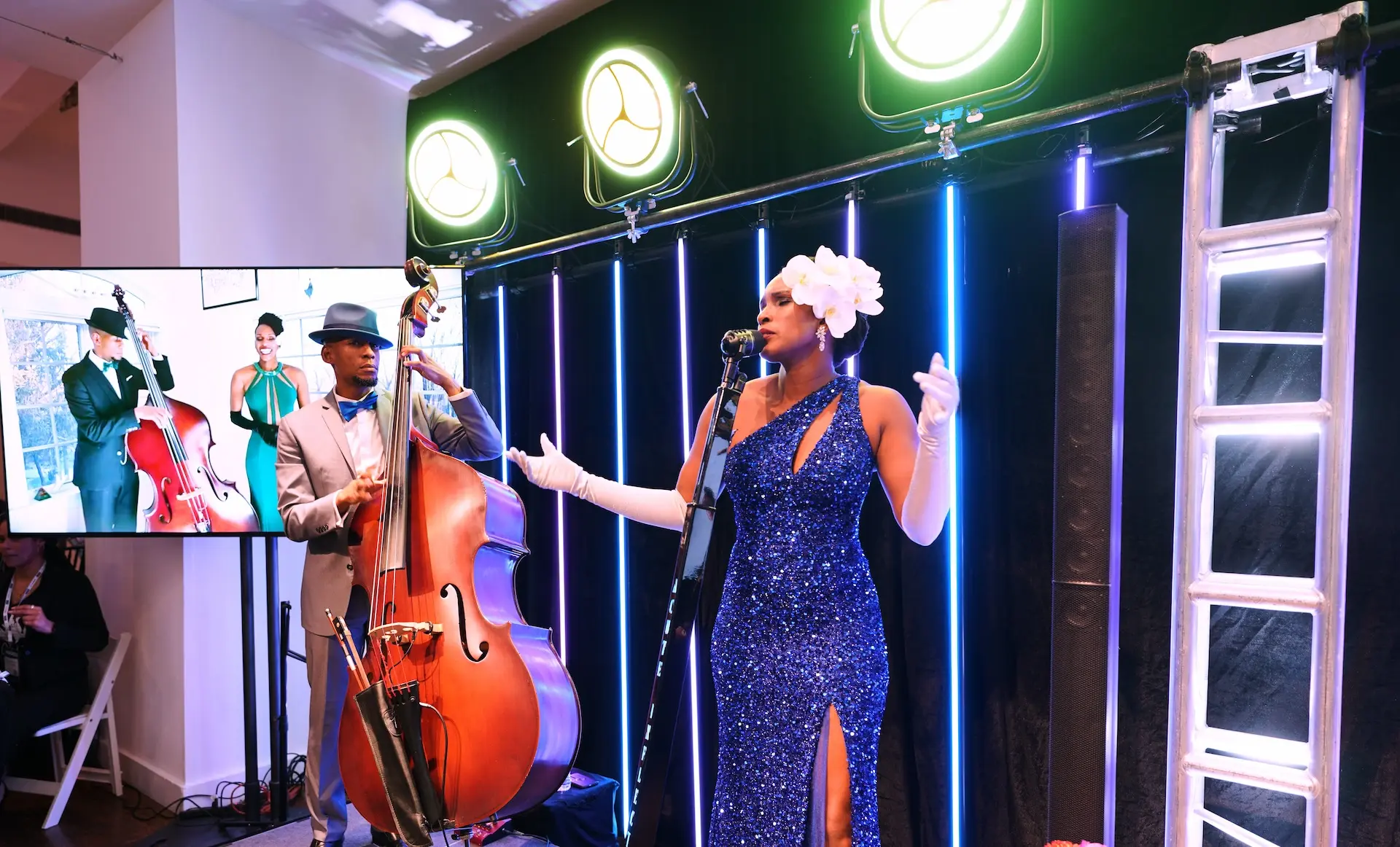

Entertainment acts, like bands, cirque performers, drum lines, dancers, and more, often need a rehearsal. Much like presenter rehearsals, they may not intend to run through the full length of their set or performance. Instead, they’re doing sound checks, getting a feel for the space, and asking any questions they may have.
Full rehearsals.
Some (but not all, or even most!) events require a full-blown rehearsal, running through the show as though in real-time. When this is the case, it often takes place the day before or even earlier in the day of the event, depending on what else is taking place in the room and when the space will be fully set up.
There are a lot of different kinds of rehearsals, and depending on the type of the event, size of the event, who the presenters are, what the venue is, and many other factors, many of these rehearsals may or may not apply. However, each event has a distinct purpose to make sure the crew and presenters are prepared, feel comfortable, and are ready to put on the best show possible.