



You can’t have an event without impactful sound design, lighting that sets the tone, and a stage design that draws your attendees’ eyes. Well, we suppose you could have an event without all of those things, but it wouldn’t be nearly as engaging, visually dynamic, or flat out cool as an event that utilizes them.
Of course, there is another, often overlooked and under thought aspect of live events – content.
Content is just as important as any other component of a live event because it helps the organization tell their story, effectively share important information, and have a profound impact on the audience experience.
But what is content? How can it be used? And what kind of content strategy allows an event to live far beyond the final curtain?
Keep reading to learn more.
Types of Content.
“Content” is a broad, catch-all, and very general term that refers to anything that is used to visually share information, ideas, or stories. When most people hear “content” they assume we’re referring to video – and yes, content does include videos. But it also encompasses so much more.
Videos.
We’ll get the obvious one out of the way first. Videos are used in a variety of ways before, during, and after events. From pre-event teasers that boost registration and tease incredible onsite experiences and storytelling pieces that set the tone for the event and allow attendees to connect emotionally with the brand, to post-event videos that keep messaging top of mind, videos are a powerful and important aspect of the event’s lifecycle.
Presentations.
Usually (but not always) created using PowerPoint, presentations are used during the vast majority of leadership presentations, keynote addresses, and more. These presentations provide visuals that illustrate what the speaker is saying, highlight important facts and figures, and make the entire segment more visually appealing and engaging.
When most people picture a PowerPoint, they imagine what they made when they were in school – slides with brightly colored backgrounds (or gradient backgrounds, if you liked to get fancy), cheesy transitions, and a few images copied and pasted onto each slide. And while some live event presentations may look like that, they can, and should, be much, much cooler.
Picture an ultra-wide LED wall with a presentation in the same aspect ratio. When the presenter shares data, visuals populate the entire screen, or sweep across it. With a wall that contains several LED panels, visuals may start on one, and move across the others.
By using even basic PowerPoint animations and working within the style of the stage design, presentations aren’t just visual aids – they become part of the live event experience.
Event Graphics.
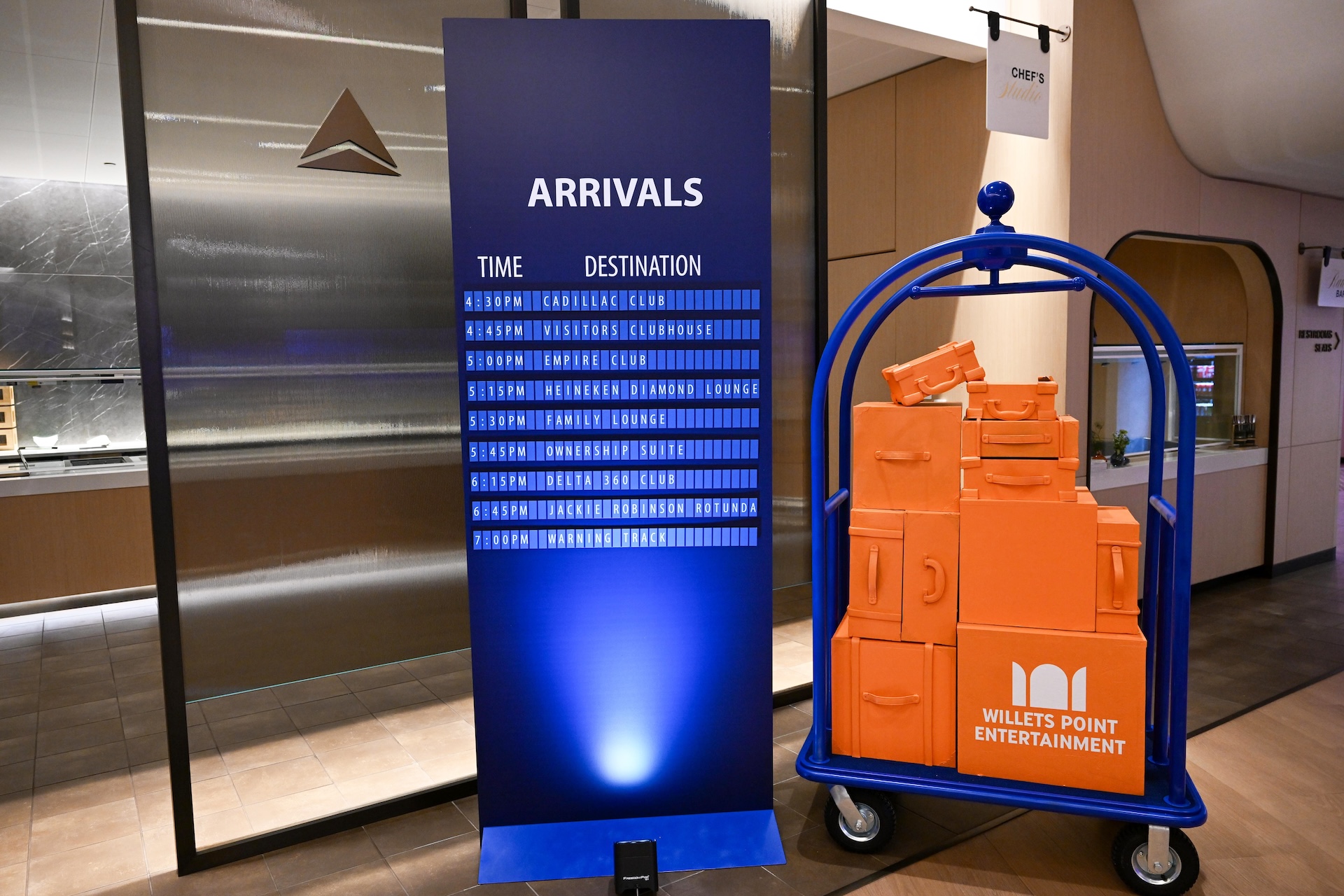

Banners, backdrops, animated visuals, oh my! Event graphics are designed to make every corner of the event space, in and outside of the primary meeting room, visually engaging, immersive, and on brand.
In the entryways and hallways of a large-scale event, graphics with wayfinding information, organization or sponsor logos, session schedules, themed messaging, and more can be displayed on static printed materials or on screens with rotating visuals.
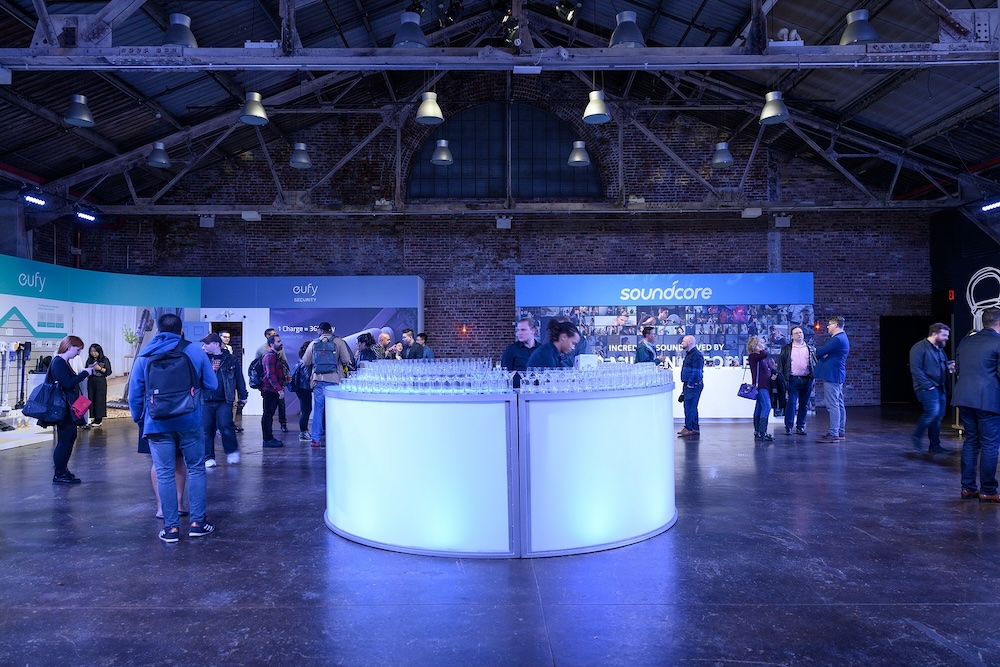
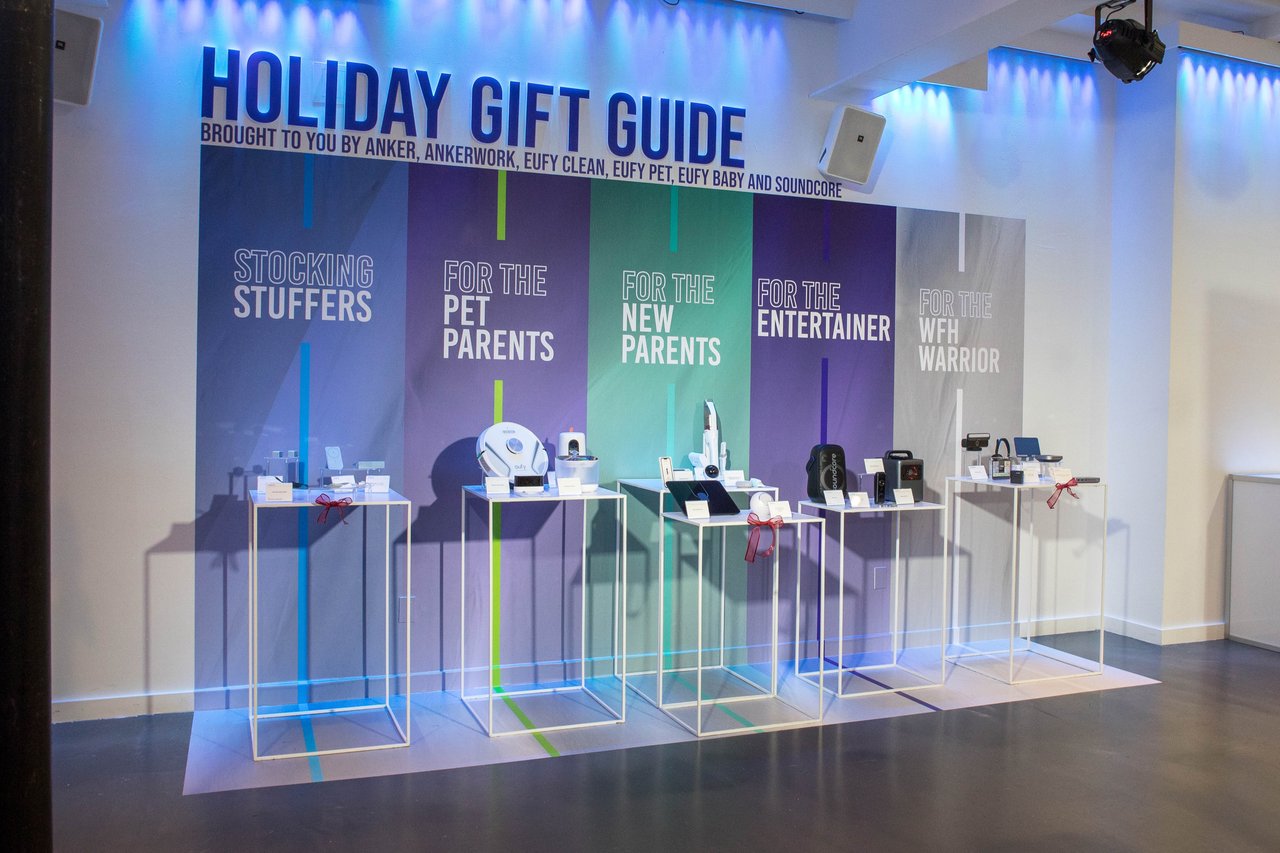
During trade shows, exhibit hall signage can point people to different areas, while specific booths may use static or motion graphics to draw attention to their booth, promote their products, and encourage people to stop by – and stick around.
In general sessions or other meeting spaces, graphics are used in a variety of ways. Walk-in-loops often feature static or animated graphics with a sequence of visuals. Logos, organization specific messaging, event specific messaging, theme lock-ups, important scheduling reminders… the possibilities go on and on. Walk-in-loops give attendees something to look at as they enter the space without sharing information you want to be sure attendees don’t miss.
During the session, motion graphics may be embedded into presentations or played back separately to illustrate an especially important point without shifting the focus from the presenter or interrupting the flow of the presentation. Motion graphics may also be used as transitions between presenters to to end the session.
Interactive & User-Generated Content.
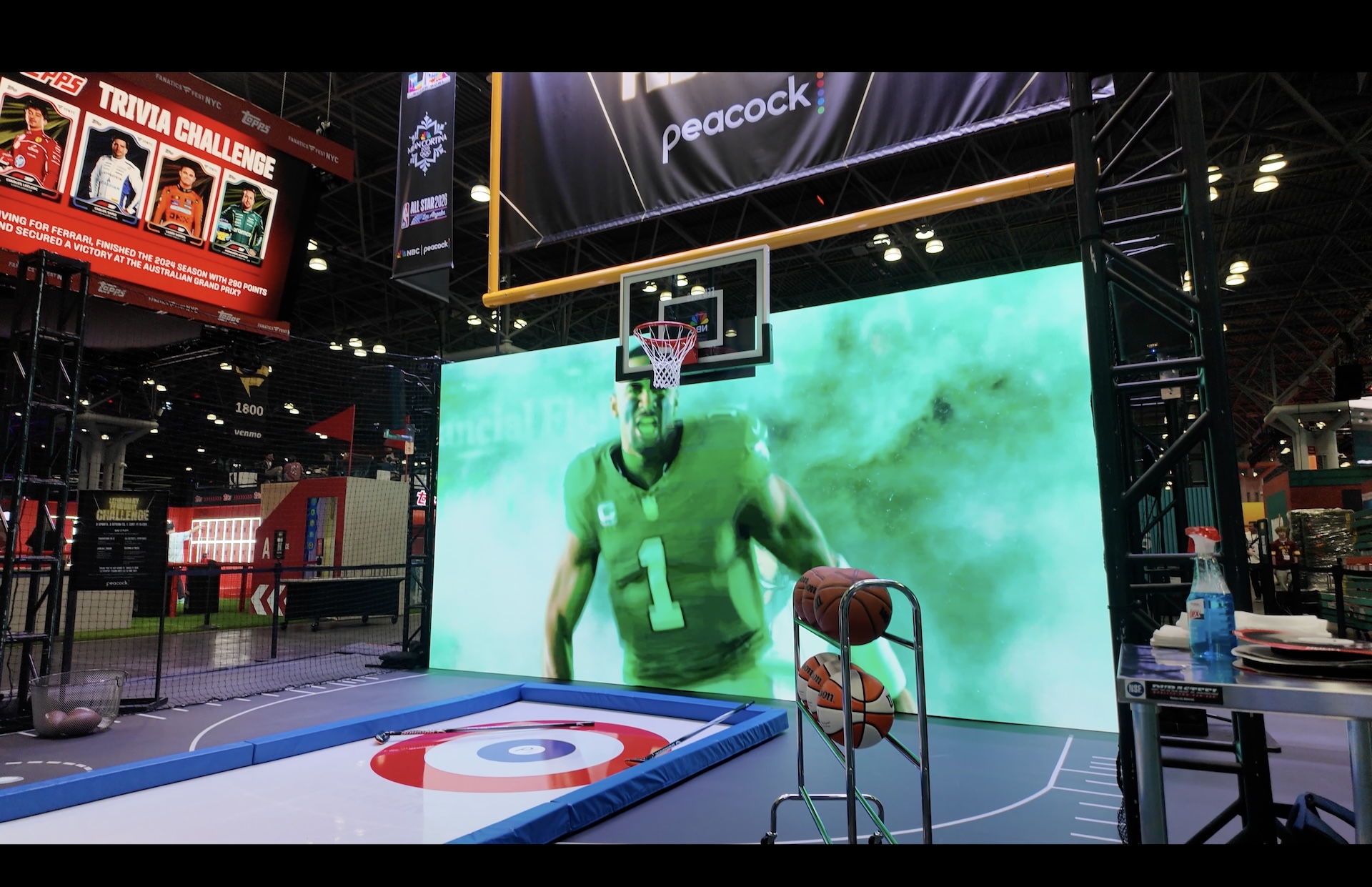
Over the past several years, we’ve seen a huge push to make events more interactive. Content is a great way to do just that. Using different apps or gamification platforms, attendees are able to participate in making the event’s content.
Hallway photo walls, where attendees can instantly snap and upload their own images. Q&As. Polling. Games with leaderboards. Quizzes. And much, much more. Some of the most engaging content isn’t about creating a visually exciting atmosphere, but encouraging and facilitating participation.
Pre-Recorded Messages.
If you’ve attended a virtual event, you’re probably at least a little used to these (and I’m not sure we need to make any more comments than that). However, they still have their place during live, in-person events.
Namely, there are times when a presenter simply can’t be there in-person, but hearing from them directly would have a profound impact on the attendees. For an internal meeting, a personalized message from the CEO could be incredibly appreciated, even if the CEO has an unavoidable conflict. Perhaps there is a customer who isn’t able to travel to the meeting, but has an important message for attendees. Maybe a coveted or celebrity speaker isn’t available (or is out of budget) for an in-person engagement, but can record a five-minute video.
We would never suggest that the entirety, or even a quarter, of your presentations be pre-recorded. However, there are situations where these messages are a great way to allow attendees to hear from people they otherwise wouldn’t.
Who Creates the Event Content?
Some organizations have video and graphics teams and choose to make some or all of their content in-house. Others work with a creative agency or several different vendors for content creation, using them for everything from creative direction to filming, editing, and more.
Who creates content for an event depends entirely on the needs, capabilities, and preferences of the organization hosting the event.

Get More out of Your Content.
The key to getting the most out of your content is the same as the key for effective content: making sure that everything you create has a distinct purpose.
It could be a fairly straightward purpose, like hallway signage that helps attendees figure out where they are going. It could be a much more complex purpose, like sharing an emotional story that shows the impact of an organization. Regardless of what the purpose is, defining it ensures that you aren’t making content just for content’s sake.
Of course, for a lot of content, if it has purpose during an event, there’s a chance it may have purpose after it, too. While you’re building out your content strategy, ask yourself if anything you’re creating could have touchpoints after your event with no or minimal adjustments. Many videos, especially product teasers, success stories, strategy videos, and human-interest stories, will still be impactful, both to audiences who were present, and to different audiences entirely. Not to mention, leadership presentations may provide important reference points for attendees in the weeks and months following the event.
By analyzing the purpose for each type and piece of content, you may find that it can make an impact during the event and beyond.
Components of a Good Content Strategy.
A good content strategy includes content to be used (and often created) during each lifecycle of the event.
Pre-event Content.
Pre-event content, like teasers, can boost registration numbers, increase excitement for the event, and prime attendees. If the meeting will be messaging heavy, having pr-event content that introduces concepts or strategies may make the attendees more prepared so that they can get more out of the meeting.
Event Content.
Event content is anything that plays back or is used during the event. This includes videos, graphics, presentations, etc. that are created in advance of the event as well as any content that is created and shared onsite.
Post-event Content.
A post-event highlight reel that reminds attendees of important touch points and reminds them how much fun they have has the power to instill deep FOMO (if you know, you know) in those who couldn’t attend. Show records that allow people to rewatch certain sessions or segments. A campaign that is kicked off during the event and will last the entire year. Footage that was filmed onsite and meant to be released later.
Post-event content helps extend the impact of your sessions, trade show booths, and experiences and keeps your event, and your brand, in the forefront of their minds.
Involving Your AV Partner in Your Content Creation.

Your AV provider may not create content in-house, but they are the experts when it comes to live events, and their recommendations, guidance, and ideas can make a huge difference.
On a very basic (but incredibly important) level, they’ll be able to share what specs content should be created in and important considerations to keep in mind. For example, an experienced AV provider knows, and will explain to you, that while the primary event display may have a certain pixel count, you should avoid putting important information on the bottom section, as the presenter may block it as they walk across the stage.
On a more exciting level, they’ll be able to share unique ideas that maximize your set up and your content. They can steer you towards technology that gives you more options, creates the ability to have interactive experiences, or will work better in your specific venue. They may even offer ideas that have you thinking about your content, and the entire event experience, with fresh eyes.
A Content Pitfall to Avoid.
If your reasoning behind creating a certain type or number of videos, building presentations in a certain way, and creating a specific number of signs is that it’s always been done that way, you need to think a little harder about your content strategy. It may be that what you’ve done in the past is working, and therefore will likely continue to work, for your event. But it’s also possible that re-examining your strategies will lead you to more thoughtful and impactful content.

Content is an undeniably big part of any live event. With the right planning, execution, and guidance, it can elevate the experience into one that is easy to navigate, full of touchpoints, unexpected, exciting, and unforgettable.