

We recently shared a behind the scenes look at load-in for an event. So what comes after load-in? Rehearsals, of course!
Just as the exact schedule for load-in depends entirely on the amount of time in the space, the size and scope of the event, and the schedule, there’s no one-size-fits-all approach to rehearsals. Different events need different types of rehearsals, presenters have different preferences, and the schedule (or limitations from it) calls the shots more often than not.
That being said, there are certain components of a rehearsal day that the show crew have come to expect – and a process that is typically followed.
Keep reading to see a sample schedule for a rehearsal day!
Arrival – 8am
When the event space is fully set up the day prior, the show crew arrives at least thirty minutes before the first rehearsal is scheduled to begin.
This ensures that they have plenty of time to power up all of the equipment, troubleshoot any challenges, get set up on comms, and load the content they need for the rehearsals.
When the first presenter arrives, they want to be ready to start rehearsing immediately. Arriving thirty minutes ahead of time gives the crew time to prepare for the rehearsals ahead so presenters aren’t waiting on them.
Load-In. Presenter Rehearsals – 8:30am

During the presenter rehearsal block, presenters may come one at a time during pre-booked rehearsal slots or open windows. If there is a panel discussion, all the participating presenters will likely come during the same time slot.
The length of each presenter’s rehearsal will depend entirely on the demands of the schedule and the preferences of the presenter. Some presenters, especially the more experienced ones, likely won’t feel the need to walk through their entire presentation, and instead will walk around the stage, click through their slides and their notes, and get on with their day. Others will want to do a full walk through of their presentation, looking over each slide and practicing their speech verbatim. They may even make adjustments to their teleprompter script, notes, or presentation materials.
Either is fine, and most events have a combination of the two, or have presenters falling somewhere in the middle. As long as there is enough time accounted for in the schedule, there’s nothing to worry about.
Crew Lunch – 12:15pm
After the final presenter rehearsal, the crew take a few moments to save any notes, make any quick changes, and communicate any challenges that came up with the rest of the crew.
Then they’ll take a one-hour walkaway lunch. If your schedule only allows for a half an hour for lunch, plan to provide the meal! Otherwise, the crew likely won’t have enough time to get food and eat before they report back.
It can be tempting to ask the crew to work through lunch (especially if it’s provided) on a packed production day or during rehearsals, but be aware, you will be charged a meal penalty and need to pay extra for each member of the crew.
Prep for Afternoon Rehearsals – 1:15pm
After the crew returns from lunch, they’ll take time to make any major adjustments based on the morning’s rehearsals. This could be loading new contents, making updates to the run of show, making changes to the presentation materials, testing different cues, or coming up with solutions to any challenges.
Taking care of these items before afternoon rehearsals begins allows the team to move through the afternoon rehearsals more smoothly.
Tech Rehearsals – 2pm
There are often presenter rehearsals in the afternoon, but for the sake of this schedule, we’re going to assume all of those took place in the morning and schedule allows for tech rehearsals.
When that is the case, the crew will do a full cue-to-cue or tech through of the show. This rehearsal is essentially a dry run where the team is able to move through every cue and make sure that the team is communicating well, the transitions are functioning exactly as they need to, and everything is cued up as it should be. This means clicking through all the slides to make sure the builds work, transitioning into videos and making sure the audio and lighting cues are programmed and operated correctly, and testing any other major transitions or cues that take place during the event.
It’s common for the team to frequently pause, practice a cue again, or make edits as they go. It’s actually the whole point of the rehearsal! The team is taking this time to communicate, make sure they’re on the same page, and ensuring that everything is running exactly as they want it to during the event.
Full Run Through – 4pm
If the presenters are available, they’ll join the team for a full run through of the event. Each presenter will have the opportunity to run through their presentation in full, view their video content, and practice walking the stage, in real-time as though it’s the event.
This rehearsal also gives the crew a chance to implement any changes they made during the earlier cue-to-cue.
If the presenters cannot (or don’t want to) participate in a full run through, this time can be used for another cue-to-cue, giving the crew another chance to practice their cues.
Power Down Equipment – 5:30
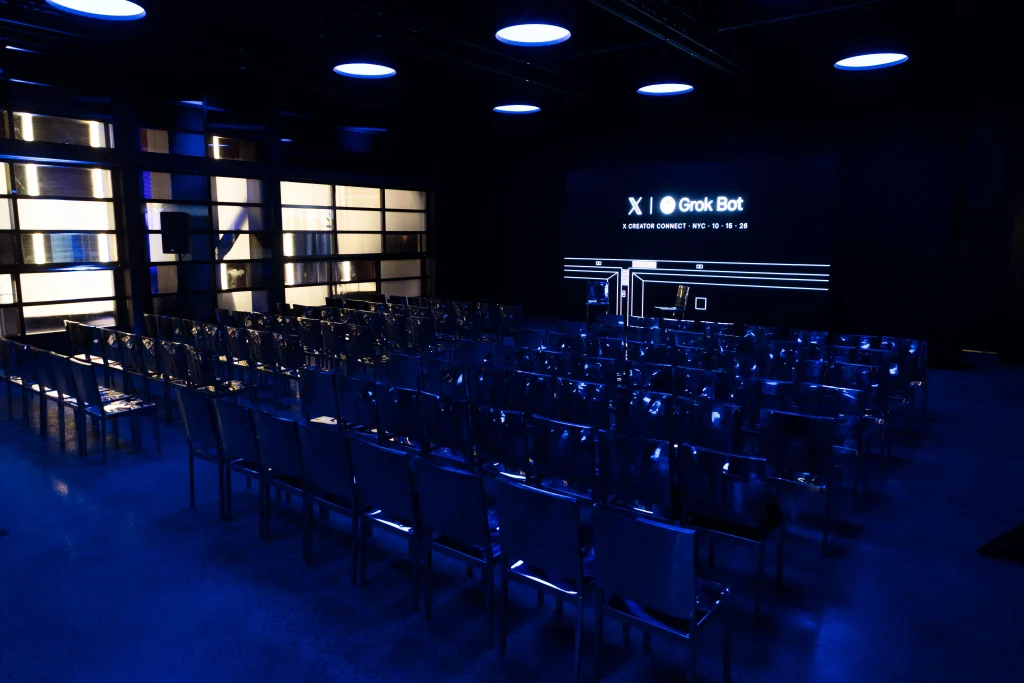
Before everyone leaves for the day, the crew will make sure everything has been saved correctly, their workspace is cleaned, and all necessary equipment is charging.
Some positions may need to work one-on-one with another member of the team to smooth out a transition or to make sure everything is programmed correctly. This window gives them a chance to do that before arriving for the event the next morning.
At six, the crew leaves for the day, keeping them at a 10-hour work day, and keeping overtime charges from hitting your invoice.
It is, of course, very rare for a rehearsal day to follow this exact schedule. Some events, especially smaller ones, set up in the morning and rehearse in the afternoon. Others have time for a cue-to-cue, but no presenter rehearsals (or presenters don’t arrive in time to rehearse). Some large scale events have several days of rehearsals, including rehearsals in between sessions or in the evening after the sessions have wrapped for the day.
Do you want to learn more about what rehearsals would best serve your event? Contact us today to get a recommendation!