

Frosted tips. Cut out jeans. Shoulder pads in blazers. Scarves with tank tops. Butterfly clips.
What do all these things have in common? They’re trends that have gone out of style (although, we see you making a comeback, butterfly clips).
Just like fashion fads that come and go, the live events industry is infamous for having big trends. And just like fashion, not all are meant to stick around.
Some, like the use of LED and projection mapping, have become so commonplace that they’re essentially a standard part of any display. Others, however, phase out quickly, and usually with good reason.
As you start planning upcoming events, you may be wondering how to tell which trends are worth the effort (and the spend). The key? Focusing on experiences and elements that will directly impact the experience of your attendees and stick in their minds long after the event has ended.
Want specifics? Keep reading to get our take on what trends are good – and which ones are gimmicks.
“Viral” Stunts: Gimmicky.
Pre-planned moments, like a CEO shaving their head onstage, trying to nail a TikTok trend, or making a prank phone call used to breed shock. The problem? They’ve become so played out that they’ve stopped feeling authentic. Instead, they feel silly, staged, and, quite frankly, fake.
There isn’t any substance, so once the (very brief) surprise wears off, so will its impact.
Raw Authenticity: Good.
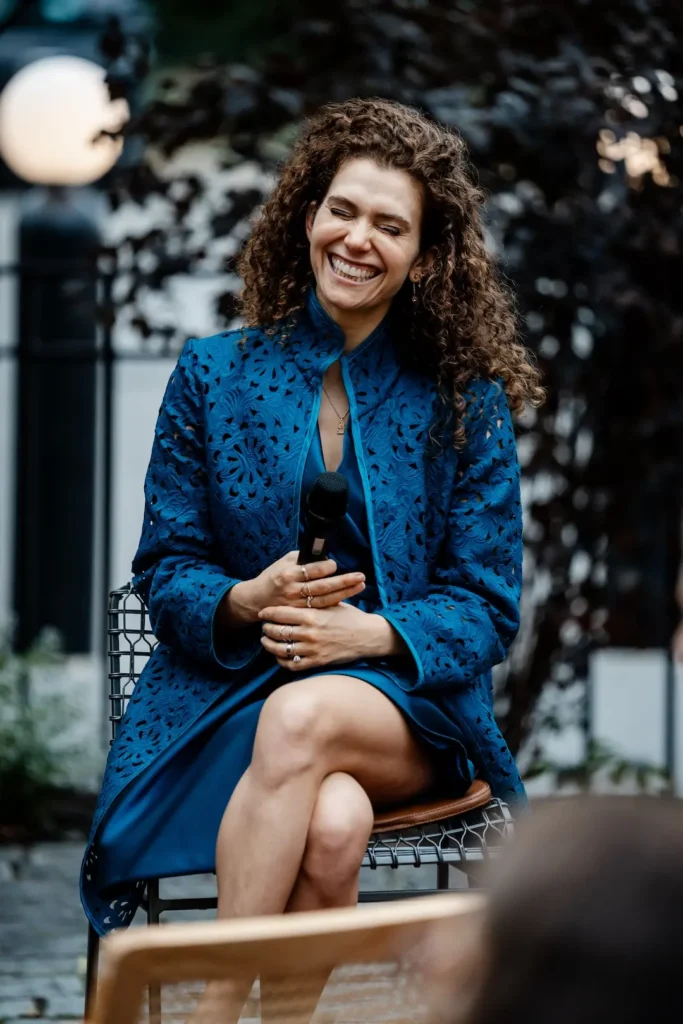
What’s the opposite of a gimmicky viral stunt? Authentic interactions that help attendees feel connected to each other, the speakers, and the brand.
This can look like speakers telling a powerful personal story, showing vulnerability, interacting directly with the crowd, and not being afraid to go off script.
It also means providing time and opportunities for attendees to interact with each other.
Immersive Themes and Scenery: Good.
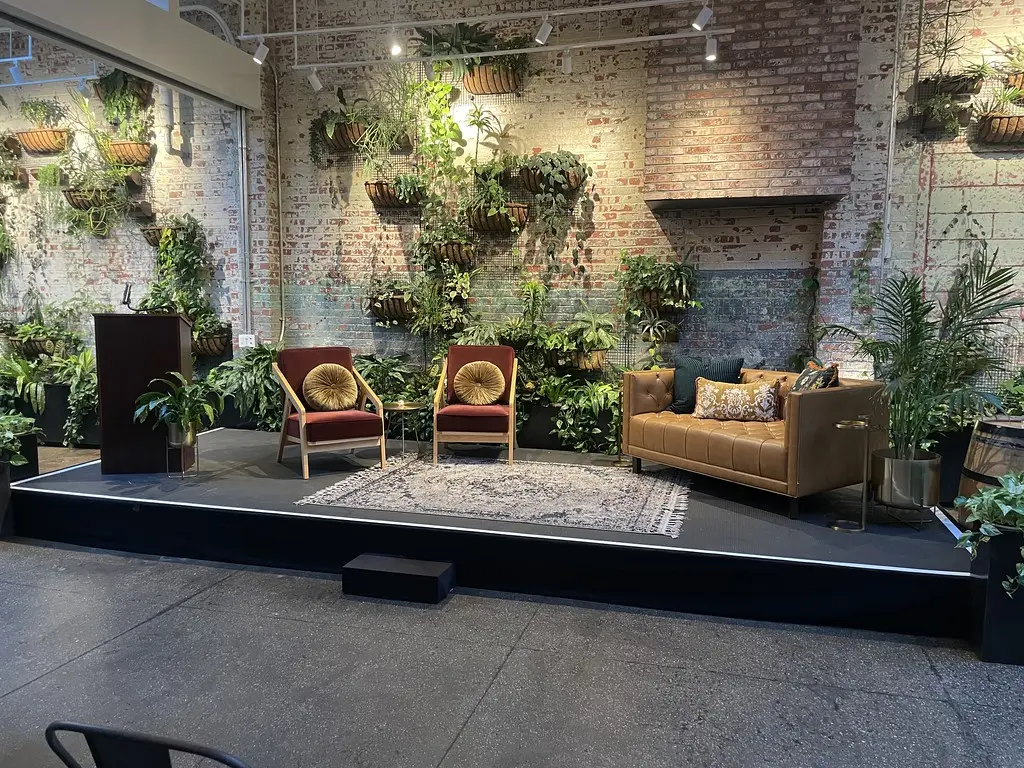
Scenery designs with layered lighting, bold hard scenic touches, branded surfaces, walkways, arches, a color palette that extends through every facet of the event venue.
Branding and event design are often an afterthought, with colors and banners being added to ancillary spaces at the last minute. While that does increase the host organization’s presence, it doesn’t create an immersive experience.
Instead, think of the entire venue as an extension of the event’s theme and approach the design as a cohesive part of the experience. From the moment attendees enter the venue, give them something to look at, explore, and do. Giving them the ability to become totally immersed makes the entire event meaningful, memorable, and impactful. They aren’t just watching a show; they’re participating in an experience.
Also, it’s just plain awesome.
Virtual Lounges for In-Person Attendees: Gimmicky.
AR and VR may be cool, but having a virtual lounge for in-person attendees will result in one (very fair) question: why even bother having an in-person event if we’re going to interact and communicate through screens?
Virtual lounges are great tools for attendees who can’t be there in-person, but for those who are, focus on experiences that allow them to interact and connect face-to-face.
Food Experiences: Good.
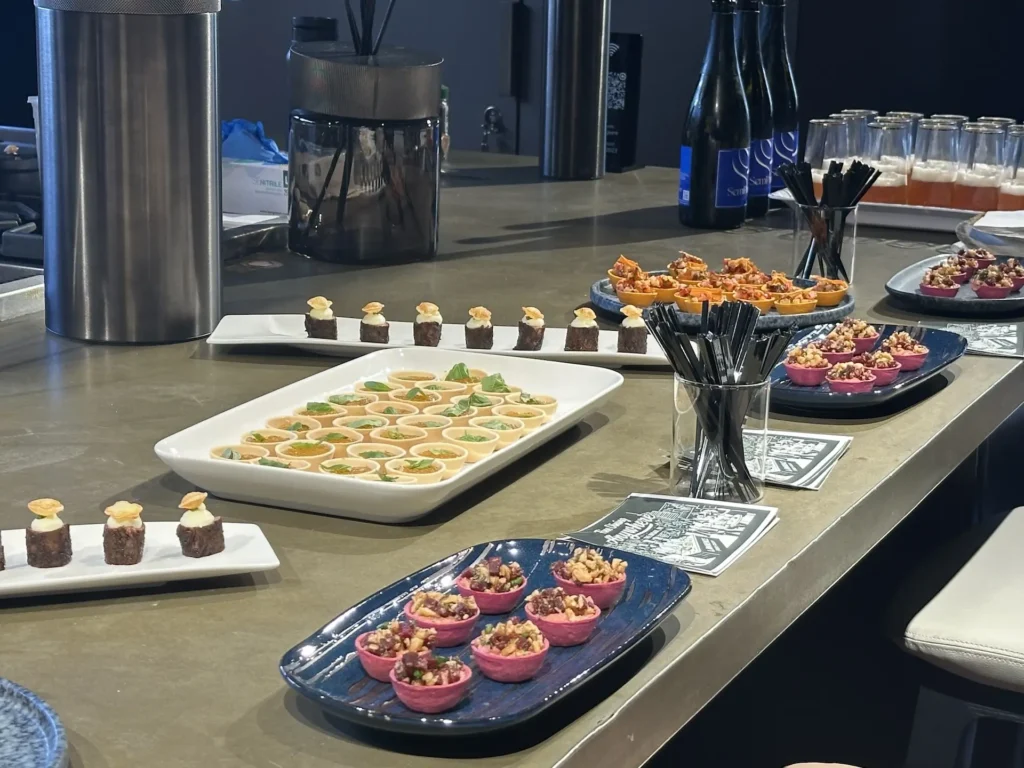
So much of our lives take place online. Food, however, is best experienced in person. Perhaps that’s why making food a central part of any experience is so effective.
Event planners have been rethinking straightforward seated meals and instead shifting towards multi-course meals, tasting stations, culinary experiences, and other small bites that encourage people to get up and move, interact with other people, or actively engage with the experience.
Silent Disco: Gimmicky.
This was a huge trend a few years ago, but we’ve started to (thankfully) see it dying down.
While the idea of headphones works great in a museum, utilizing them for corporate or association dance parties is just, well, weird.
How does it work? Large crowds have wireless headphones on, allowing them to listen to music. Oftentimes all of the attendees have the same music, other times individuals have more control. Either way, the result is the same: a silent room with people (theoretically) dancing to the music they hear in their ears.
In reality? People can’t communicate with each other because of their headphones and they probably won’t really dance, just like they don’t dance while listening to music during their morning commute.
A much better idea? Playing music through actual speakers.
Analog Button Interactions: Good.
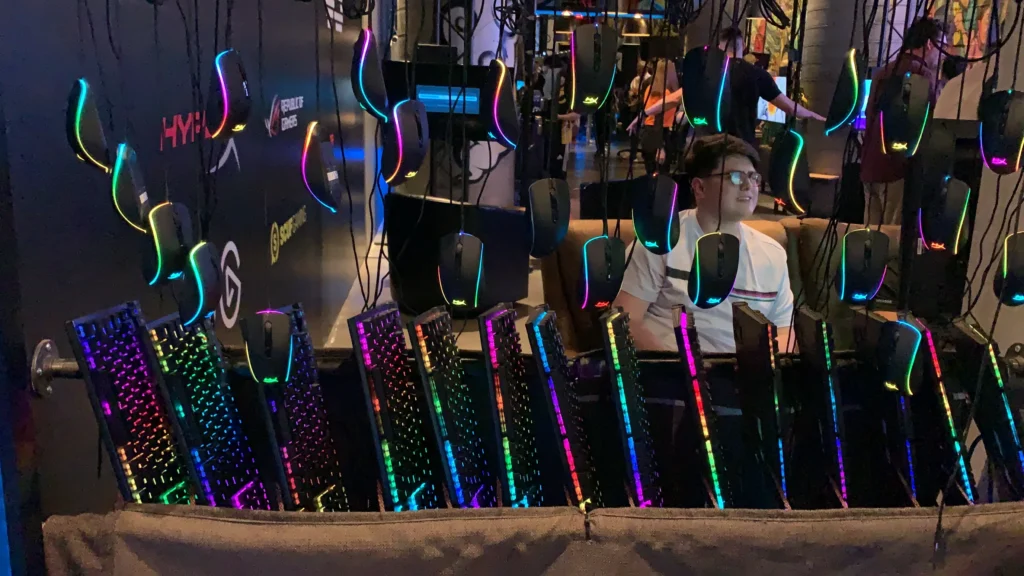
Touch screen gamification and any other interactivity is ALWAYS a win in our book. Attendees love getting to personally participate and the technology is great to work with.
However, many events are starting to shift away from touchscreen and utilize chunky physical buttons, dials, and levers instead. The goal? To get the benefits of gamification while creating a nostalgic, maybe even vintage (and yes, that makes us feel old, too), feeling.
Is it gimmicky? Possibly a little. But it still has many of the benefits of modern live event gamification, just with a different presentation.
Integrated Accessibility: Good.
A good rule of thumb when organizing an event is that you should never wait for somebody to ask for accommodations. Why? Because they may assume the event won’t or can’t become more accessible for them and choose not to attend. Alternatively, they may assume that the event is accessible and arrive to find that they can’t participate in certain aspects of it.
One of the best trends we’ve seen recently is making events more accessible. This means ramps, allergy safe menus, offering translation or sign language services, having nursing mother rooms available, providing relaxation spaces, and more!

AI Portrait Booths: Gimmicky.
AI is a huge topic of conversation. Some people love it, and some people hate it. Of course, the same people who would get a kick out of seeing what they’d look like as a cartoon have probably uploaded their image to ChatGPT before. Meanwhile, the ones who aren’t fans of AI won’t have any interest.
If you really want to take pictures, here’s our advice: skip AI altogether and give attendees a space to get a complimentary new headshot.
AI with Purpose: Good.
AI does have a place at live events, as long as it’s being used the right way.
When AI is used to serve a purpose for attendees and upgrade or streamline their experience, it can have a great impact.
This often looks like automated scheduling, a streamlined registration or check-in process, chatbots that answer registration questions, or creating matches for networking events.
Attendee Well-Being: Good.
This one is especially relevant at multi-day events.
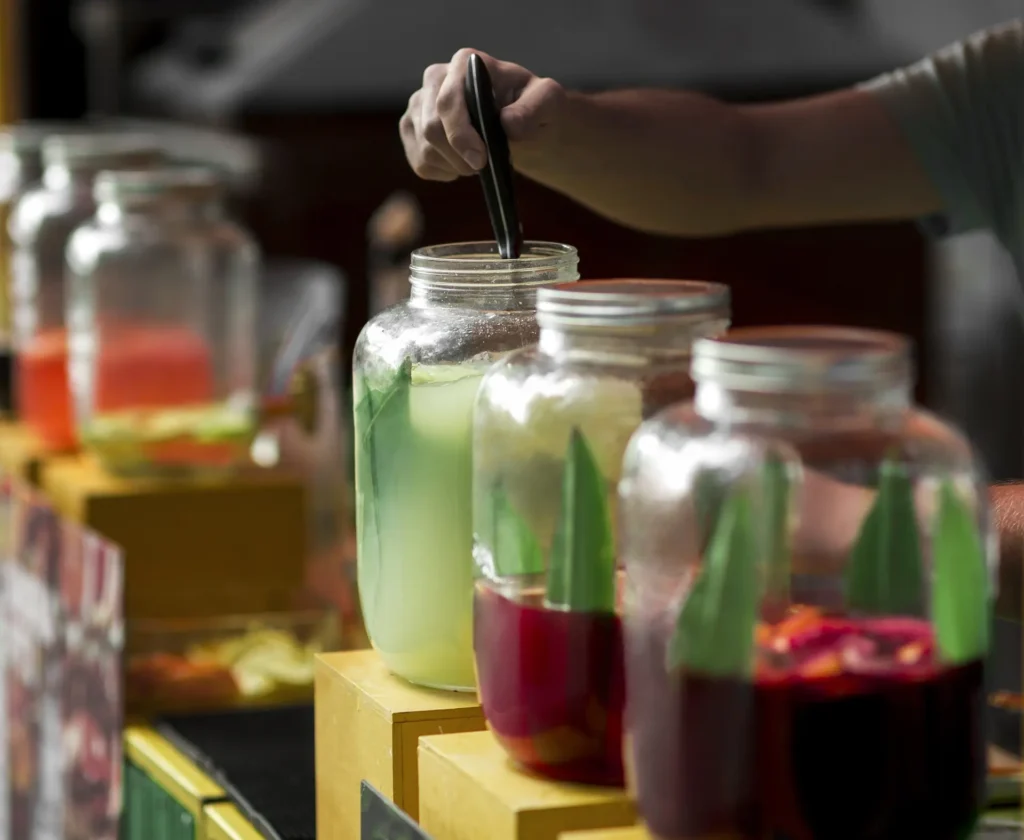
Show attendees you care while simultaneously putting them in the best headspace for the event with juice or smoothie bars in the morning, yoga, meditation, or exercise classes, quiet areas where people can recharge and catch up on emails, and plenty of breaks in the schedule.
Unnecessary Swag: Gimmicky.
Also known as… clutter.
Don’t get us wrong, everybody loves having a giveaway at a live event. After all, who couldn’t use an extra nice sweatshirt or high-quality reusable water bottle?
Do you know what people don’t love? A flood of useless items that they’ll only end up throwing away a few days after the event. So before you print your logo on pens, mousepads, bags, and beachballs galore, ask yourself if it’s something you would really want to have in your house.
Trends may seem fun, but you can make your events evergreen by focusing on experiences that will surprise and delight attendees while providing them with a heartfelt, valuable, and informative experience.